
English| EUR
Suggested for you
More currencies
Choose a language
Fayoum Oasis sits 90 kilometers southwest of Cairo, where Wadi El Rayan Protected Area holds Egypt's only natural desert waterfalls alongside kilometers of sand dunes that climb 40 meters above the valley floor. The protected zone opens daily from 07:00 to 18:00, with a 20 EGP conservation fee for international visitors.
Quick answer
Desert safari activities in Fayoum Oasis include sandboarding on the Wadi El Rayan dunes, 4×4 desert drives across the protected area, guided wildlife tracking for Egyptian gazelles and fennec foxes, and sunset camping near Magic Lake. Most operators recommend arriving between 07:00 and 10:00 to avoid midday heat and secure the calmest sand conditions for boarding.
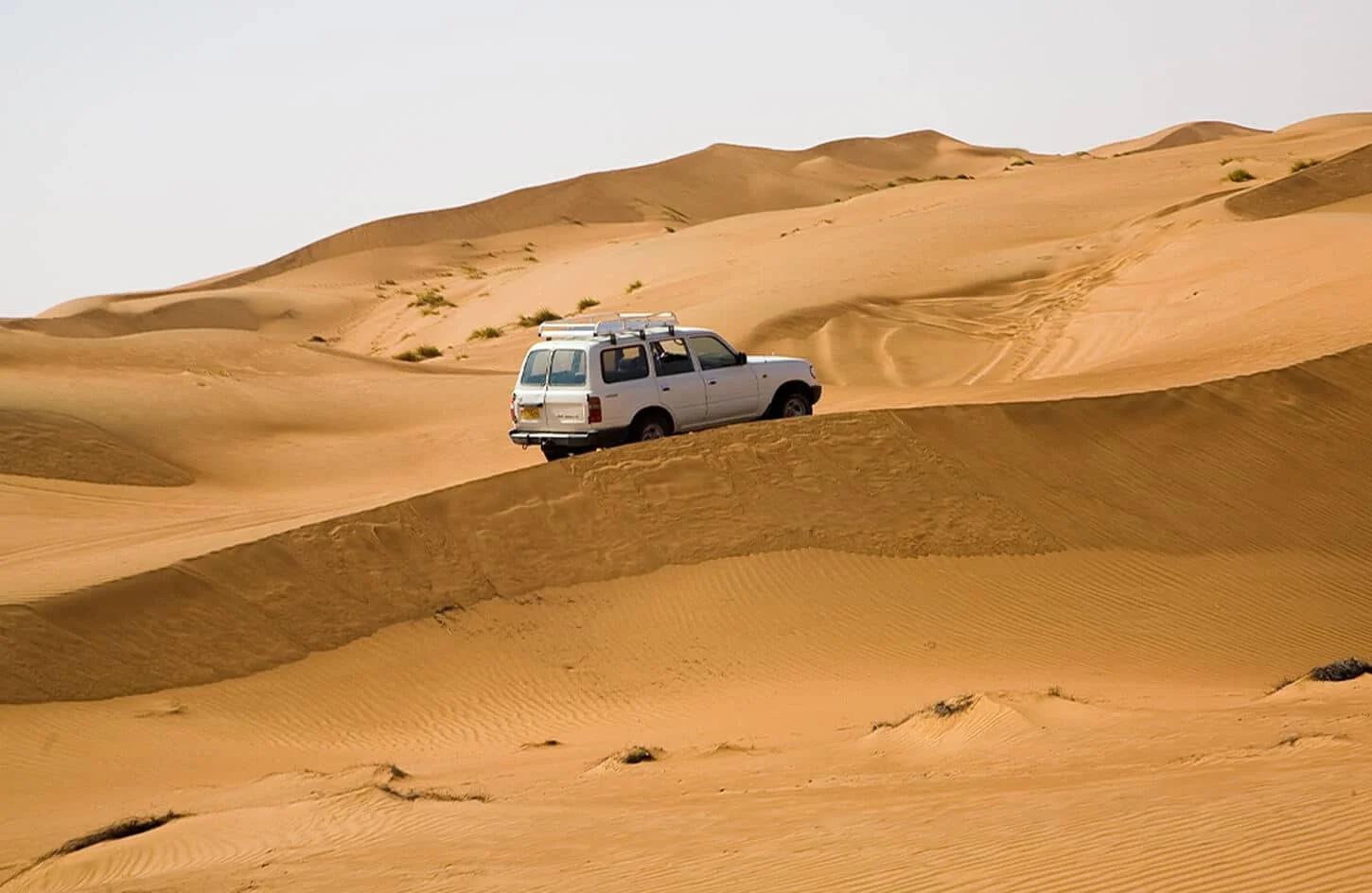
The sand dunes of Wadi El Rayan rise in smooth ridges that run parallel to the valley floor, their windward faces carved into near-vertical drops that sandboarders use as natural halfpipes. The dunes are composed of fine quartz grains that compress under weight but release cleanly, giving boards a fast, controlled glide. Local operators stage from the northern edge of the protected area, where the tallest ridges crest at 40 meters and offer uninterrupted descents. Four-wheel-drive excursions follow unmarked tracks that connect the waterfall basin to the fossil beds near Wadi El Hitan, 35 kilometers west. The routes cross hardpan corridors where Eocene whale skeletons lie exposed in the limestone, then climb into soft sand corridors that require deflated tires and momentum management. Drivers navigate by landmark rather than GPS, using rock outcrops and the angle of Magic Lake as reference points. The terrain shifts character every five kilometers, from gravel flats to singing dunes that emit low-frequency tones under pressure. Wildlife tracking concentrates in the hours after dawn, when Egyptian gazelles move along the basin's northern rim and fennec foxes retreat to burrows in the dune shadow zones. Guides read tracks in the overnight sand—hoof depth indicates the animal's weight distribution, and claw marks separate canid prints from feline. Rüppell's foxes and sand cats range through the same corridors, distinguished by gait pattern and tail drag. Birdwatchers focus on the lake margins, where resident flamingos feed in the shallows and migratory raptors pass overhead during spring and autumn windows. Overnight camps are positioned on elevated sand shelves east of Magic Lake, where the ground holds heat after sunset and wind exposure remains low. Operators provide Bedouin-style tents with ground mats, and meals are prepared in portable clay ovens fueled by date-palm charcoal. The night sky at this latitude—29.2°N—delivers views of both northern constellations and the southern Milky Way core, with Polaris visible at 29 degrees above the horizon. Most itineraries return visitors to the protected area entrance by mid-morning, closing the loop before the next heat cycle begins.
“The dunes are composed of fine quartz grains that compress under weight but release cleanly, giving boards a fast, controlled glide.”
The most effective time to experience desert safari activities is within the best arrival window of 07:00–10:00. Arriving during this period helps visitors manage exposure to midday desert heat and avoid peak crowd congestion at the waterfall area.
Mild daytime temperatures around 20°C–25°C
This season provides the most comfortable conditions for outdoor exploration and desert driving.
High daytime temperatures exceeding 35°C
Early morning visits are essential to minimize risk from extreme heat.
—
Visiting between Monday and Thursday provides the quietest experience at popular sites.
Verdict: The best slot for your visit is weekday mornings, arriving between 07:00–10:00, during the cooler months of October or March.
Everything you need to know about desert safari activities
Visitors to the region can engage in 4x4 dune bashing, sandboarding on the golden hills, and exploring the unique geological formations of the Wadi El Rayan Protected Area. These desert safari activities also commonly include visits to the serene Qarun Lake and the fossil-rich sites nearby. Guests often combine these adventures with photography of the dramatic landscapes. Many travelers prefer to book organized tours to navigate the expansive terrain safely.
Yes, these outdoor excursions can be adapted for families, though it is important to confirm the safety requirements of your specific tour provider beforehand. Engaging in desert safari activities with younger children requires careful planning, especially regarding hydration and sun protection. Many operators offer flexible itineraries that allow for shorter durations to keep children comfortable. Always verify age recommendations with your guide when planning your desert visit.
When preparing for your trip, bring plenty of water, high-SPF sunscreen, sunglasses, and a wide-brimmed hat to protect against the sun. Lightweight, breathable clothing is recommended for daytime desert safari activities, while a light jacket may be useful if staying until dusk. Comfortable walking shoes are essential for exploring the rugged terrain around the waterfalls and dunes. Do not forget a power bank to keep your camera or phone charged throughout the day.